Elevate Your Homes Comfort: Premium Insulation Services From Certified Contractors
In the current energy-aware climate, proper insulation is essential for maintaining home comfort and efficiency. Numerous homeowners fail to recognize the considerable effect insulation has on utility bills and air quality indoors. Trusted contractors offer expert services that identify and address insulation issues. Exploring these services can demonstrate how modest modifications can produce considerable gains. Still, the challenge persists: how can you select the most suitable options for your unique requirements?
Why Inadequate Insulation Is Costing You Money and Comfort
Poor insulation can greatly impact both energy expenses and indoor comfort. When insulation fails to meet standards, heat loss in winter and heat gain in summer become pronounced, forcing heating and cooling systems to work overtime. This inefficiency translates directly to higher utility bills, as homeowners face inflated energy costs due to increased demand on HVAC systems.
Moreover, insufficient insulation can cause unfavorable living conditions, with drafts and temperature fluctuations making spaces less enjoyable. Excess moisture may also arise, creating a breeding ground for mold and mildew, which can negatively impact the quality of indoor air.
Investing in quality insulation resolves these problems and significantly boosts overall home value. A thoroughly insulated home promotes energy efficiency and comfort, allowing homeowners to enjoy their space while minimizing unnecessary expenses. Consequently, tackling insulation inadequacies is key to securing better living conditions and meaningful financial savings.
Are There Drafts in Your Home? Here's How to Tell?
Identifying whether a home has drafts is possible through identifying frequent indicators and evaluating utility bills. Obvious cold areas and inconsistent temperatures frequently suggest the presence of air leaks. Moreover, surprisingly steep energy charges may signal that poor insulation is enabling warmth to dissipate.
Usual Draft Symptoms
A large number of homeowners tend to miss the early warning signs of drafts throughout their living areas, which can lead to higher utility bills and reduced comfort. Frequent indicators consist of noticeable temperature fluctuations, where certain rooms feel considerably colder than others. Homeowners may also experience drafts around electrical outlets, windows, and doorways, often felt as a chill against the skin. Additionally, continuous fogging on window panes can signal insufficient insulation, allowing cold air to seep in. Whistling or rattling noises during windy conditions may also suggest air leaks. To conclude, if drapes or thin materials shift without any wind, it's a clear sign that air is infiltrating the home. Identifying these warning signs is the initial step to creating a cozier home.
Energy Bill Metrics
Rising energy costs often serve as a clear sign of drafty conditions within a home. Property owners may experience a significant spike in their monthly expenses, implying that climate control systems are operating more intensively to maintain comfortable temperatures. A drafty environment can result in irregular heating and cooling, causing occupants to increase thermostat settings. To identify specific areas of concern, individuals can perform basic checks, such as checking for cold air infiltration around windows and doors or holding a candle near potential draft sources. Additionally, inspecting insulation levels in attics and walls can reveal hidden gaps. Tackling these problems with professional insulation services can contribute to enhanced energy conservation, leading to reduced bills and improved comfort.
Key Benefits of Professional Insulation Installation
Harnessing the true capabilities of a home's energy efficiency often relies on qualified insulation application. Certified specialists confirm that insulation materials are applied correctly, considerably limiting heat loss in winter and reducing heat gain in summer. This precision leads to a reliably maintained indoor temperature, enhancing comfort year-round.
Moreover, professional installation can help achieve lower energy bills, as residences rely less on heating and air conditioning systems. This not only promotes financial savings but also reduces the overall carbon footprint, benefiting the environment.
In addition, expert technicians are well-versed about the newest insulation solutions and products, confirming that homeowners obtain the optimal solutions designed for their specific needs. They also adhere to local building codes and safety standards, which is vital for long-term performance and compliance. In the end, the key benefits of skilled insulation work include enhanced comfort, energy efficiency, and peace of mind for homeowners.
How to Find a Dependable Insulation Contractor
Identifying a reliable insulation specialist calls for close attention to several key factors. Homeowners are advised to verify the specialist's licensing and insurance policies, assess their knowledge and background, and ask for thorough cost breakdowns to guarantee transparency. These practices are essential for making an informed decision and securing high-quality insulation work.
Check Licenses And Insurance
Before hiring an insulation contractor, it is important to check their licenses and insurance. This step guarantees that the contractor meets local regulations and industry standards, giving homeowners reassurance. A legitimate license demonstrates that the contractor has received the necessary training and is certified to carry out insulation work. Furthermore, insurance shields homeowners against potential liabilities, such as accidents or damage that may occur during the project. It is wise to request proof of both licenses and insurance before proceeding. Additionally, homeowners should ensure that the insurance coverage is current and adequately covers the scope of work. Implementing these measures helps to mitigate risks and fosters a safer, more reliable working relationship with the contractor.
Review Experience And Expertise
Understanding a contractor's capabilities and credentials is crucial when selecting a qualified insulation specialist. Assessing a contractor's profile involves looking at their length of experience and the kinds of insulation projects they have executed. It is worthwhile to take into account their particular niche, as some may specialize in residential insulation while others may excel in commercial applications.
In addition, assessing client feedback and testimonials can shed light on their craftsmanship and trustworthiness. Accreditations from respected organizations also reflect adherence to industry standards. By evaluating these factors, homeowners can ensure they choose a contractor with the essential abilities and understanding to deliver high-quality insulation services, ultimately improving the overall comfort and energy performance of their homes.
Get Detailed Estimates
How can homeowners be certain they are making the right choice when selecting an insulation contractor? One reliable strategy is to gather comprehensive estimates from various contractors. This method gives homeowners the ability to assess not only the expenses but also the breadth of work each contractor suggests. An estimate ought to detail materials, labor, timeframes, and any likely supplementary costs. Homeowners should ensure that estimates are listed individually, giving clear insight into what each fee includes. Furthermore, seeking explanation on any ambiguous points can help avoid potential disputes down the line. By gathering thorough estimates, homeowners can more accurately gauge the worth provided by various contractors and reach a better-informed conclusion, ultimately leading to a successful insulation project that meets their needs and budget.
Choosing the Right Type of Insulation for Your Home
What aspects should homeowners evaluate when picking insulation? To begin with, the climate serves a critical function; locations experiencing severe temperature fluctuations may demand more durable insulation options, such as spray foam or fiberglass. Homeowners should also evaluate the insulation's R-value, which reflects its capacity to prevent thermal exchange; greater R-values are recommended for improved energy savings.
Another consideration is the material type, which includes foam board, fiberglass, and cellulose, all of which come with distinct pros and cons. Homeowners should additionally evaluate the process of installation; some options are suitable for self-installation, whereas others might necessitate the services of a professional.
In addition, the space to be covered with insulation—attics, walls, or basements—will affect the selection of insulation. Lastly, cost considerations will shape choices, as certain insulation materials offer greater value than others. By considering these elements, residents can choose the insulation that optimally addresses their needs while boosting their home's overall comfort.
How Insulation Affects Energy Costs
Do homeowners fully understand the substantial role insulation plays in energy costs? Effective insulation considerably decreases the need for heating and cooling systems to run continuously, leading to reduced energy expenses. By blocking thermal exchange, it keeps indoor temperatures consistent, which not only enhances comfort but also lowers overall energy use. Research shows that homes with adequate insulation can cut expenses by as much as discover the information 20% on heating and cooling costs per year, a considerable sum for many households. Furthermore, the kind and standard of insulation also affect these savings; elevated R-values offer better thermal resistance. Homeowners often disregard the long-term financial benefits of choosing premium insulation, viewing it as a preliminary investment rather than a money-saving solution. Ultimately, by emphasizing quality insulation, homeowners can reach outstanding energy savings, translating directly into decreased monthly bills and a smaller environmental footprint.
Understanding the Insulation Installation Process: A Complete Overview
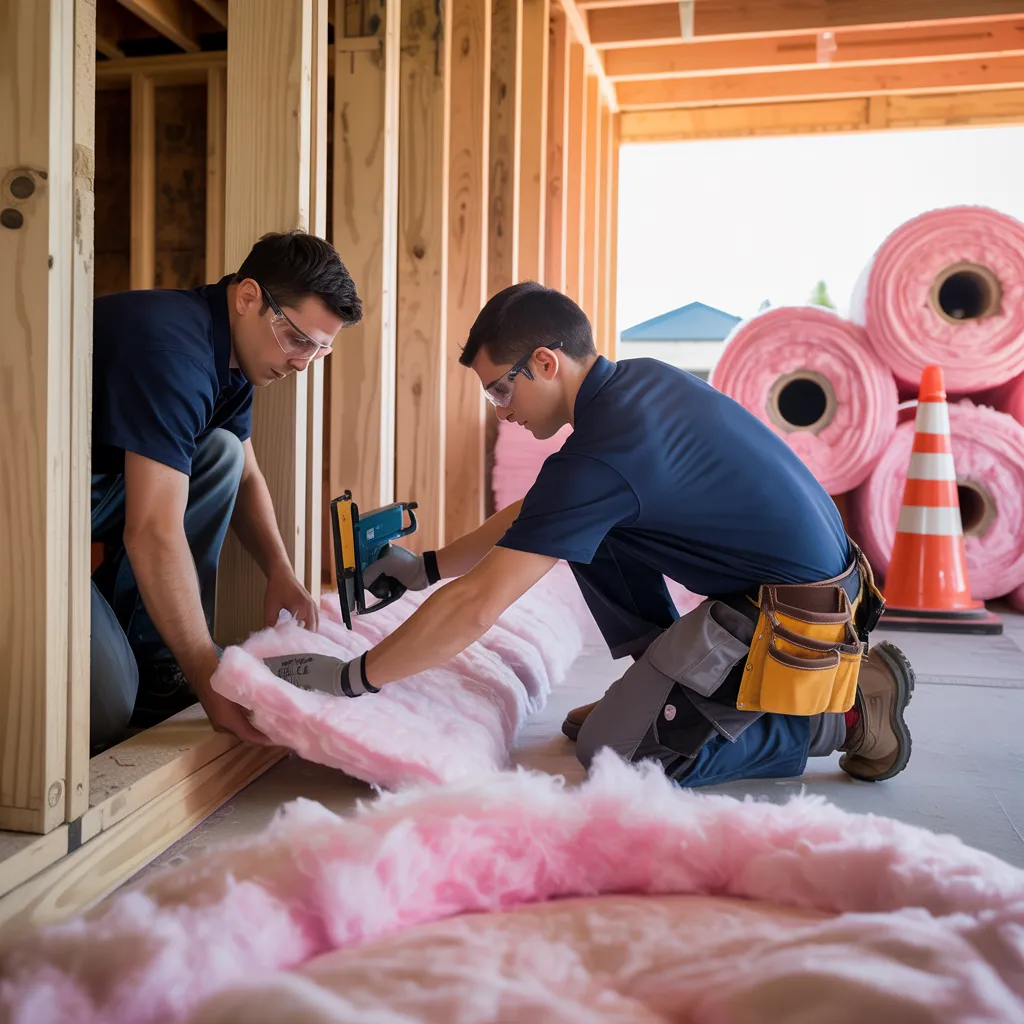
Homeowners can experience significant energy savings through effective insulation, but knowing the installation process is just as essential. At the outset, a qualified contractor carries out a detailed inspection of the home, identifying areas that require insulation. This evaluation includes checking attics, walls, and basements.
Subsequently, the professional chooses the ideal insulation product, such as cellulose, fiberglass, or spray foam, depending on the home's specific needs and budget. When the appropriate materials are determined, the installation commences. This usually entails closing off any gaps or cracks to improve performance.
When it comes to attic insulation, the method can include placing batts or distributing loose-fill material, while insulating walls might require drilling small holes for injection. After installation, the contractor will inspect the completed work to confirm no areas are overlooked. In summary, proper insulation installation not only improves home comfort but also contributes to long-term energy efficiency.
Questions Our Clients Often Ask
What Is the Typical Lifespan of Insulation Before Replacement Is Needed?
Insulation typically lasts between 20 to 30 years, influenced by the type of material and environmental factors. Periodic inspections can help evaluate its condition and whether replacement is necessary to sustain peak energy efficiency throughout a home.
Is It Possible to Install Insulation Myself, or Should I Bring in a Professional?
Although some homeowners may try DIY insulation installation, hiring a professional is generally recommended. Skilled professionals provide proper installation, adherence to safety standards, and maximum energy efficiency, ultimately offering a more efficient and long-lasting insulation solution.
What Are the Environmental Impacts of Different Insulation Materials?
Different insulation materials have varying environmental impacts. Natural options like cellulose and sheep’s wool are generally more sustainable, while synthetic materials, such as foam, may release harmful chemicals during production and disposal. Recycling and sourcing matter considerably.
What Are the Signs That My Insulation Needs Upgrading?
Warning signs that insulation needs replacement include significant temperature variations, rising energy costs, cold drafts, or apparent deterioration. Inspecting areas like attics and walls can also reveal moisture issues or insufficient insulation levels.
Do Any Government Incentives Exist for Improving Home Insulation?
Indeed, a wide range of authorities provide benefits for enhancing home insulation, such as rebates, grants, or tax credits. Homeowners should check local programs and national initiatives that support energy efficiency upgrades to take full advantage of available savings.